
How to Fix Phone Overheating Problem
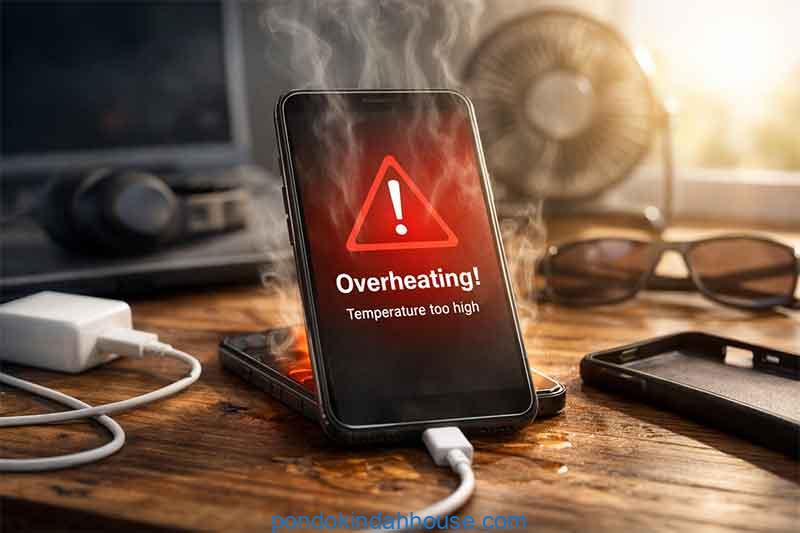
Phone overheating is one of the most common issues faced by smartphone users today. It can happen suddenly, feel uncomfortable in your hand, slow down performance, and even shorten your phone’s lifespan. If you are searching for how to fix phone overheating problem, you are not alone. Millions of users experience this issue daily, regardless of whether they use Android or iPhone.
In this guide, you will learn why your phone overheats, what mistakes often cause it, and most importantly, how to fix phone overheating problem effectively. This article is written to be clear, practical, and easy to follow, even if you are not a tech expert.
What Does Phone Overheating Mean?
Phone overheating happens when your device temperature rises above the normal operating range. Smartphones generate heat naturally when they work. However, excessive heat is a warning sign that something is wrong.
A phone that overheats may feel hot to the touch, dim its screen automatically, drain battery faster, or show warning messages. In severe cases, it may shut down on its own to prevent damage.
Understanding this behavior is the first step to solving the problem.
Why Phone Overheating Is a Serious Issue
Ignoring overheating can lead to long-term damage. High temperatures can affect internal components such as the battery, processor, and motherboard. Over time, this can reduce battery health, slow down performance, and increase the risk of sudden shutdowns.
If overheating happens often, it may also indicate software bugs, hardware faults, or unsafe usage habits. That is why learning how to fix phone overheating problem is important for both performance and safety.
Common Causes of Phone Overheating
Before fixing the issue, you need to understand what causes it. Most overheating problems come from a combination of software, hardware, and user behavior.
Heavy App Usage
Apps that use a lot of processing power, such as games, video editors, or streaming apps, can push your phone’s CPU and GPU to work harder. This creates more heat, especially during long sessions.
Too Many Apps Running in the Background
When many apps run at the same time, your phone works continuously even when you are not actively using it. Background activity increases processor load and battery usage.
Poor Network Signal
A weak signal forces your phone to work harder to stay connected. This is common when you are in remote areas, elevators, or buildings with thick walls.
Charging While Using the Phone
Using your phone while charging is one of the most common reasons for overheating. Charging already generates heat, and adding heavy usage makes it worse.
Faulty or Cheap Chargers
Low-quality chargers or cables can cause irregular power flow. This not only heats up your phone but also damages the battery over time.
High Screen Brightness
A bright screen consumes more power and generates more heat. Keeping brightness at maximum for long periods can raise your phone temperature significantly.
Outdated Software or Bugs
Software bugs and outdated systems may cause apps to malfunction or run endlessly in the background. This hidden activity can lead to overheating without obvious signs.
Environmental Temperature
Using your phone under direct sunlight or in hot environments makes it harder for the device to cool itself.
How to Fix Phone Overheating Problem Step by Step
Now let us focus on practical solutions. The steps below are proven and safe methods to reduce heat and prevent overheating.
Reduce Heavy Usage Immediately
If your phone feels hot, stop using demanding apps right away. Close games, video streaming apps, or camera usage. Give your phone time to cool down naturally.
Avoid placing it in enclosed spaces like pockets or bags during this time.
Close Background Apps Regularly
Many users forget to close apps after use. Make it a habit to check running apps and close those you do not need.
On Android, use the recent apps menu and swipe unused apps away. On iPhone, swipe up from the bottom and close unnecessary apps.
This simple step can significantly reduce processor load.
Lower Screen Brightness
Set your brightness to automatic or manually lower it. This reduces power consumption and heat.
Using dark mode can also help, especially on phones with OLED screens.
Remove the Phone Case Temporarily
Some phone cases trap heat, especially thick rubber or leather cases. If your phone overheats often, remove the case and check if temperature improves.
If it does, consider using a case designed for better airflow.
Avoid Using Phone While Charging
Charging and heavy usage at the same time is a major cause of overheating. Let your phone charge without using it.
If you must use it, keep usage minimal and avoid gaming or streaming.
Use Original or Certified Chargers
Always use the charger that came with your phone or a certified replacement. Cheap chargers may look similar but often lack proper safety controls.
According to battery safety guidelines published by Battery University, unstable charging current is a common reason for heat-related battery damage.
Turn Off Unused Features
Features like Bluetooth, GPS, hotspot, and NFC consume power even when idle. Turn them off when not needed.
Location services, in particular, can cause continuous background activity.
Update Your Phone Software
Software updates often include bug fixes and performance improvements. An overheating issue may be caused by a known bug that has already been fixed in a newer update.
Check for updates regularly in your phone settings.
You can learn more about how updates improve performance from Android’s official documentation and Apple’s iOS update notes.
Uninstall Problematic Apps
Some apps are poorly optimized and consume excessive resources. If you notice overheating after installing a new app, uninstall it and observe the difference.
You can check battery usage statistics in your phone settings to identify which apps use the most power.
Restart Your Phone Periodically
Restarting clears temporary files and stops background processes that may be stuck. This is a simple yet effective way to reset system activity.
Make it a habit to restart your phone at least once a week.
Avoid Extreme Heat Exposure
Do not leave your phone in direct sunlight, on a car dashboard, or near heat sources. High external temperatures make internal cooling less effective.
If you use your phone outdoors, keep it shaded whenever possible.
Advanced Solutions for Persistent Overheating
If basic fixes do not work, you may need to take more advanced steps.
Perform a System Cleanup
Cache files can accumulate over time and slow down your system. Clearing cache helps reduce unnecessary background activity.
On Android, you can clear app cache individually. On iPhone, reinstalling heavy apps can help clear stored data.
Reset Network Settings
Network issues can cause constant signal searching. Resetting network settings can help fix this issue.
This step does not erase personal data but will remove saved Wi-Fi passwords.
Factory Reset as a Last Resort
If overheating continues despite all efforts, a factory reset may help. This removes corrupted files and restores default system behavior.
Always back up your data before performing a reset.
When Overheating Is a Hardware Problem
Sometimes, overheating is not caused by software or usage habits.
Battery Degradation
Old or damaged batteries generate more heat. If your phone is more than two years old and overheats frequently, battery replacement may be necessary.
Internal Component Damage
Dropping your phone or exposure to water can damage internal components, affecting heat management.
In these cases, professional repair is the safest option.
How to Prevent Phone Overheating in the Future
Prevention is always better than repair. Once you fix the problem, adopt habits that keep your phone cool long term.
- Use apps responsibly and avoid long gaming sessions.
- Charge your phone in cool, ventilated areas.
- Keep your system and apps updated.
- Monitor battery health regularly.
- Avoid multitasking excessively.
These habits will protect your phone and improve its lifespan.
Myths About Phone Overheating
Many myths circulate online about overheating. Let us clear some confusion.
- Putting your phone in the fridge is dangerous and can cause moisture damage.
- Task killer apps rarely help and may worsen performance.
- Overheating is not always a sign of virus or hacking.
Understanding facts helps you make better decisions.
Frequently Asked Questions About Phone Overheating
Is phone overheating normal?
Mild warmth is normal during heavy use. However, frequent or extreme heat is not normal and should be addressed.
Can overheating damage my phone permanently?
Yes. Prolonged overheating can damage the battery and internal components.
Does fast charging cause overheating?
Fast charging can generate more heat, but certified chargers are designed to manage it safely.
Should I replace my phone if it overheats?
Not always. Most overheating issues can be fixed with proper usage and maintenance.
Final Thoughts on How to Fix Phone Overheating Problem
Learning how to fix phone overheating problem is essential for every smartphone user. Overheating is not just uncomfortable. It can affect performance, safety, and device lifespan.
By understanding the causes and applying the solutions shared in this guide, you can keep your phone cool, stable, and reliable. Small changes in daily habits often make the biggest difference.
If overheating continues despite all efforts, do not ignore it. Seek professional help before permanent damage occurs.
A cool phone is a healthy phone, and now you know exactly how to keep it that way.
Related Post: How to Run Ads on Google to Rent a House Successfully