
Types of Hydrants: A Complete Guide
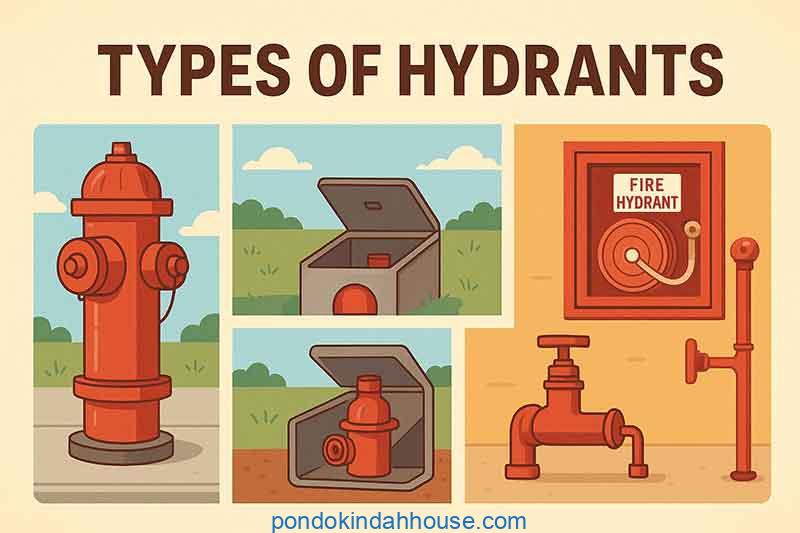
Understanding the different type hydrant options is essential if you work with building safety, facility management, or simply want to know how fire protection systems operate. Hydrants may look simple from the outside, but each type is designed for specific conditions, flow needs, and safety standards.
In this guide, you will learn the main hydrant types used in modern fire protection systems, how they work, where they are installed, and which one fits different environments. The goal is to help you make a well-informed decision without getting lost in technical jargon.
Hydrants are a critical part of fire safety. They offer instant access to a steady water supply, help firefighters work faster, and protect lives and property during emergencies. Because of this, choosing the right hydrant is not something you should take lightly.
Below, you will find everything you need to understand the structure, function, and classification of every type hydrant used today.
Why Understanding Hydrant Types Matters
You might think all hydrants serve the same purpose. In reality, each type comes with its own system, installation method, and requirement. Buildings, factories, warehouses, hotels, and industrial plants follow different standards based on risk level. Using the wrong hydrant can lead to system failures or limited water flow during emergencies.
When you understand the differences, you can:
- Ensure compliance with safety standards
- Prevent costly installation mistakes
- Improve the overall fire protection performance
- Provide firefighters with easier access to water
- Reduce damage and protect lives
What Is a Fire Hydrant?
Before exploring the types, let’s quickly clarify the basic function of a hydrant.
A fire hydrant is a key component of a fire protection system. Its main role is to provide high-flow water access so fire teams can connect hoses and extinguish flames efficiently. Hydrants can be installed outdoors or indoors, depending on the design of the building and local regulations.
A hydrant system usually consists of:
- Water supply network
- Piping system
- Hydrant valves
- Hose cabinets (for indoor systems)
- Fire pumps
- Pressure regulators
- Nozzles and hoses
Even though the components may vary, the goal remains the same: deliver water fast and reliably.
Now let’s move into each type hydrant in detail.
Main Types of Fire Hydrants
There are two primary ways hydrants are classified:
- Based on their installation location
- Based on the mechanism of water flow and operation
We will explore both.
Outdoor Hydrants
Outdoor hydrants are commonly seen in public areas, industrial zones, and large facilities. They connect directly to an underground water network or a dedicated supply line.
Pillar Hydrant (Fire Hydrant Pillar)
Also called a post hydrant, this is the classic hydrant you see on streets and sidewalks. It stands above the ground and provides immediate water access for firefighters.
Key characteristics
- Quick access in emergencies
- No need to open a pit or cover
- Easy to maintain
- Works well in urban areas
Components generally include
- Barrel body
- One or two discharge outlets
- Main valve
- Operating nut
Where it’s used
- City streets
- Commercial districts
- Industrial zones
- Public facilities
Pillar hydrants are one of the most recognized type hydrant options due to their visibility and convenience.
Underground Hydrant (Fire Hydrant Box or Bury Type)
Unlike pillar hydrants, underground hydrants sit below surface level inside a pit or chamber. Firefighters must open the cover and connect hoses to access water.
Advantages
- Space-saving
- Better aesthetic appeal
- Protection from vehicle collisions
- Suitable for narrow or crowded areas
Disadvantages
- Slightly slower to access
- More sensitive to flooding
Common installation areas
- Parking lots
- Building complexes
- Shopping malls
- Areas with heavy traffic
This type is common in regions that prefer less visible infrastructure.
Indoor Hydrants
Indoor hydrants are part of a building’s internal fire protection system. They serve as the first response tool before firefighters arrive.
Wall Hydrant (Hydrant Box)
This indoor hydrant is placed in a metal cabinet along hallways or strategic points inside a building. It usually includes:
- Hydrant valve
- Hose reel
- Nozzle
- Pressure gauge
How it works
Users open the cabinet, pull out the hose, and connect the nozzle to spray water on the fire.
Benefits
- Easy for building occupants to use
- Protects hoses from dust and environmental damage
- Required for many buildings under fire safety regulations
Ideal locations
- Hotels
- Apartments
- Offices
- Schools
- Shopping centers
Standpipe Hydrant System
Standpipe systems are vertical pipes installed inside multi-story buildings. They deliver water to each floor through hydrant valves.
There are three standpipe classes:
- Class I: For firefighters (65 mm outlet)
- Class II: For occupants (38 mm hose)
- Class III: Combined system (both outlet sizes)
This hydrant system ensures firefighters get immediate water supply on any floor.
Types of Hydrants Based on Mechanism
Now let’s go deeper into the technical classification.
Wet Barrel Hydrant
A wet barrel hydrant always has water inside the barrel. Each outlet has its own valve, allowing firefighters to open just the connection they need.
Pros
- Fast water access
- Simple design and maintenance
- Reliable for warm climates
Cons
- Not suitable for freezing areas
- Higher risk of leaks if not maintained
Wet barrel hydrants are widely used in tropical countries because freezing is not an issue.
Dry Barrel Hydrant
Dry barrel hydrants keep water below ground level, not inside the barrel. When activated, water flows from the underground pipe up into the hydrant.
Benefits
- Ideal for cold regions
- Prevents freezing
- Safer operation
Drawbacks
- Slightly slower operation
- More complex mechanism
This hydrant is essential in countries with sub-zero climates.
Dry Riser Hydrant System
A dry riser system is a vertical pipe that stays empty until firefighters connect water from an external source. It is found in buildings where natural pressure cannot push water to higher floors.
Common uses
- Tall buildings
- Parking structures
- Industrial complexes
Wet Riser Hydrant System
Wet risers remain filled with water at all times. They are equipped with pressurized systems to ensure consistent flow.
Suitable for
- High-rise buildings above 60 meters
- Critical facilities
- Structures requiring instant water supply
Components You Should Know in Every Hydrant System
Regardless of the type hydrant, most systems share several essential components. Understanding these parts helps you evaluate reliability and maintenance needs.
Hydrant Valve
This is the heart of the hydrant system. It controls water flow and connects hoses to the supply network.
Hose and Nozzle
Used to direct water to the fire source. Different nozzles produce different spray patterns.
Pressure Regulator
Ensures the water pressure does not exceed safe levels.
Fire Pump
Often used in buildings where natural water pressure is insufficient.
Underground Pipe Network
Distributes water across the hydrant system.
Hydrant Cabinet
Protects indoor hydrants from damage and ensures quick access.
How to Choose the Right Type of Hydrant
Here are practical steps to help you choose correctly:
1. Identify the Location and Climate
Warm climates benefit from wet barrel hydrants, while cold climates require dry barrel systems.
2. Review Building Height and Size
High-rise buildings often need wet or dry riser systems.
3. Consider Water Pressure
Buildings with low pressure should install fire pumps or standpipe systems.
4. Choose Based on User Type
For public use: pillar hydrant
For indoor occupant use: wall hydrant cabinet
For firefighters: standpipe or riser hydrant
5. Check Compliance with Fire Standards
Always follow local regulations and building codes.
Installation Areas for Each Hydrant Type
Here’s a simple breakdown:
| Hydrant Type | Best Installed At |
|---|---|
| Pillar Hydrant | Roadsides, industrial areas, public spaces |
| Underground Hydrant | Parking lots, malls, narrow roads |
| Wall Hydrant | Buildings, hallways, hotels |
| Standpipe System | Multi-story buildings |
| Wet Barrel | Warm climates |
| Dry Barrel | Cold climates |
Common Mistakes When Selecting Hydrants
Many facilities make errors without realizing the long-term impact. Here are mistakes to avoid:
- Choosing a hydrant without checking water pressure
- Ignoring climate and temperature variation
- Installing indoor hydrants without checking accessibility
- Using the wrong hydrant size for the building’s risk level
- Neglecting regular maintenance
How Hydrant Systems Support Firefighters
Hydrants are more than water sources. They help firefighters:
- Save time connecting hoses
- Access stable high-pressure water
- Reduce fire spread
- Improve rescue operations
A well-planned hydrant placement can significantly change the outcome of an emergency.
Maintenance Tips to Keep Hydrants Working Optimally
Maintenance is a crucial part of hydrant safety. Without it, systems can fail at the worst possible moment.
Regular Inspection Checklist
- Check for corrosion
- Test water pressure
- Ensure valves open smoothly
- Inspect hose conditions
- Replace damaged nozzles
- Clean hydrant cabinet interiors
- Test fire pumps
Recommended Schedule
- Monthly visual check
- Quarterly functional test
- Annual performance test
Frequently Asked Questions About Hydrant Types
What is the most common type of hydrant?
Pillar hydrants are the most common due to their easy access and fast operation.
Which hydrant type is best for cold areas?
Dry barrel hydrants are specifically designed to prevent freezing.
Do all buildings need indoor hydrants?
Not always, but buildings above certain sizes or risk levels must follow safety regulations requiring them.
How long does a hydrant last?
With proper maintenance, hydrants can last 30 to 50 years.
What type hydrant is used for high-rise buildings?
Wet riser or dry riser hydrant systems.
Final Thoughts
Understanding each type hydrant helps you choose a reliable fire protection system that suits your building and local conditions. Each type has its strengths, limitations, and proper installation areas. By making the right choice and ensuring regular maintenance, you can create a safer environment for everyone who uses your facility.
If you manage property or work with safety systems, this knowledge is essential. A properly selected hydrant system not only protects structures but also supports fast emergency response when every second counts.
Related Posts: