
How Do Lenders Know You Owe Taxes?
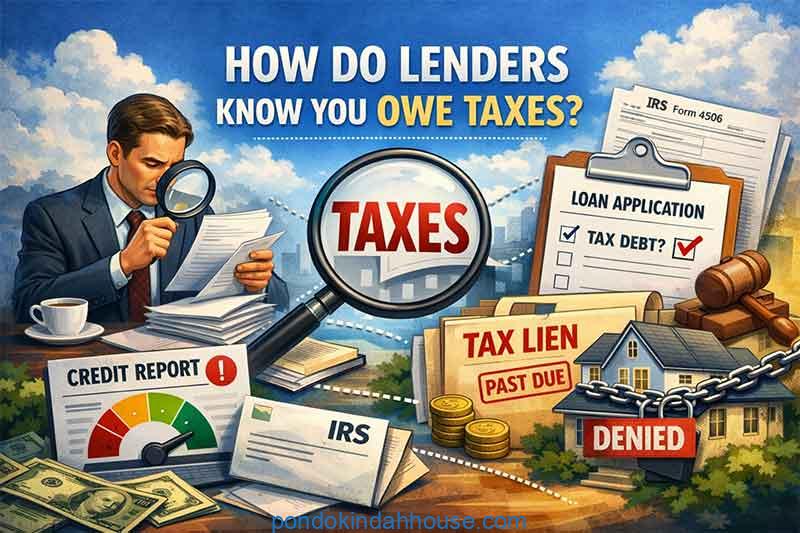
If you are planning to apply for a loan, mortgage, or even a credit card, you may wonder about one uncomfortable question. How do lenders know you owe taxes?
This concern is very common. Many people worry that unpaid taxes could quietly block their loan approval. Others are unsure how much access lenders really have to their financial history.
The truth is more nuanced than most people expect.
In this article, you will learn exactly how lenders know you owe taxes, what information they can legally see, and how unpaid tax debt can affect your borrowing chances. Everything is explained in a clear, practical way, without technical jargon.
Why Lenders Care About Tax Debt
Before answering how do lenders know you owe taxes, it helps to understand why they care in the first place.
Lenders are in the business of managing risk. When they lend money, they want to be confident that you can repay it on time and in full. Any existing financial obligation reduces that confidence.
Unpaid taxes are a serious concern because they are not like regular debt. Tax authorities often have stronger collection powers than private creditors. In some cases, they can place liens, garnish wages, or seize assets.
From a lender’s perspective, this creates competition. If you owe taxes, the government may get paid before the lender does.
That is why tax debt matters.
Do Lenders Have Direct Access to Your Tax Records?
One of the biggest misconceptions is that lenders can freely look into your tax account.
They cannot.
Lenders do not have automatic or direct access to your IRS or tax authority records. Your tax filings and balances are protected by strict privacy laws.
However, that does not mean tax debt is invisible.
The real question is not whether lenders can see your tax account directly, but how tax debt shows up indirectly during the loan process.
How Do Lenders Know You Owe Taxes Through Credit Reports
One of the most common ways lenders discover tax debt is through your credit report.
Tax Liens on Credit Reports
If you owe taxes and the tax authority files a tax lien, that lien may appear on your credit report, depending on jurisdiction and reporting practices.
A tax lien is a legal claim against your property due to unpaid taxes. It signals to lenders that the government has a priority claim over your assets.
Even though credit reporting rules have changed over the years, many lenders still uncover tax liens through specialized credit checks or public record searches.
Once a lien appears, it becomes difficult to ignore.
Collections and Payment Arrangements
In some cases, unpaid taxes may be handled by collection agencies. If that happens, the collection account could appear on your credit report like any other debt.
This makes it very easy for lenders to identify a problem.
Loan Applications Often Ask Direct Questions About Taxes
Another simple answer to how do lenders know you owe taxes is surprisingly straightforward.
They ask you.
Most loan applications include questions about outstanding obligations, including tax debt. Mortgage applications, in particular, are very detailed.
If you state that you do not owe taxes when you actually do, you are providing false information. This can lead to immediate denial or even legal consequences.
Lenders rely heavily on borrower disclosures. Honesty matters more than many people realize.
Bank Statements Can Reveal Tax Issues
When applying for larger loans, lenders often review your bank statements.
They are not just looking at your balance. They are analyzing cash flow patterns.
Red Flags in Bank Activity
Large, unexpected payments to tax authorities can raise questions. So can sudden withdrawals labeled as tax payments, penalties, or installment plans.
If a lender sees recurring payments to a tax authority, they may ask for clarification.
This does not automatically disqualify you, but it does trigger further review.
IRS Form 4506-C and Income Verification
For mortgages and certain business loans, lenders may request permission to verify your income with the tax authority.
This is done using forms like IRS Form 4506-C.
What This Form Reveals
This form does not give lenders full access to your tax account. Instead, it allows them to confirm that the tax returns you provided match what was filed.
However, discrepancies can raise suspicion. If your reported income does not align, lenders may dig deeper.
In some cases, unresolved tax issues surface during this process.
Public Records Searches Play a Role
Lenders often run public records searches as part of due diligence.
Tax liens, court judgments related to tax debt, and enforcement actions are often public records. Even if they do not appear on standard credit reports, they can still be discovered.
This is especially common in mortgage underwriting and commercial lending.
Employer and Payroll Information
In certain situations, lenders may review employment and payroll details.
If your wages are being garnished for unpaid taxes, this can be visible through pay stubs or employer verification forms.
Wage garnishment is a clear sign of unresolved tax debt. Lenders view this as a serious risk factor.
How Self-Employed Borrowers Are Evaluated
If you are self-employed, lenders pay even closer attention.
They often review multiple years of tax returns, profit and loss statements, and business bank accounts.
Why Tax Compliance Matters More Here
For self-employed borrowers, taxes are closely tied to income stability. Late filings, missing payments, or inconsistent reporting can all raise red flags.
In this case, how do lenders know you owe taxes often comes down to documentation inconsistencies rather than direct confirmation.
What Happens If Lenders Discover You Owe Taxes
Discovering tax debt does not always mean automatic rejection.
The outcome depends on several factors.
Amount of Tax Debt
Small balances with clear repayment plans are often acceptable. Large unpaid balances with no resolution are much more problematic.
Payment Plans and Agreements
If you are on an approved installment plan and can show documentation, many lenders are willing to proceed.
They want to see responsibility, not perfection.
Type of Loan
Mortgage lenders are usually stricter than personal loan or credit card issuers. Business lenders may assess tax debt differently depending on cash flow.
Can You Get a Loan If You Owe Taxes?
Yes, in many cases you can.
The key is transparency and preparation.
Being proactive about resolving tax issues or setting up payment plans significantly improves your chances.
Lenders are far more comfortable working with borrowers who address problems directly.
How to Reduce the Impact of Tax Debt on Loan Approval
If you are worried about how do lenders know you owe taxes, focus on what you can control.
Set Up a Payment Plan
Tax authorities often offer installment agreements. These show lenders that the debt is being managed.
Keep Documentation Ready
Have copies of payment plans, proof of payments, and correspondence available.
Avoid New Liens
Once a lien is filed, it becomes much harder to explain away. Acting early can prevent this.
Be Honest During the Application
Trying to hide tax debt almost always backfires. Clear communication builds trust.
Final Thoughts
So, how do lenders know you owe taxes?
They do not spy on your tax account or secretly access government databases. Instead, they rely on a combination of credit reports, public records, application disclosures, bank statements, and income verification processes.
Tax debt often reveals itself indirectly, through patterns and documentation.
The good news is that owing taxes does not automatically disqualify you from borrowing. What matters most is how you handle the situation.
If you address tax issues responsibly and communicate openly, many lenders are willing to work with you.
Understanding the process gives you power. And with the right preparation, tax debt does not have to stand between you and your financial goals.